

Prescription discount apps are mobile tools that negotiate lower prices for medications by bypassing standard insurance copays. They work by connecting your pharmacy to a network of discount cards, often saving you money on drugs that are not covered by your plan or have high out-of-pocket costs. Understanding your coverage and medication options before you look for a discount ensures you choose the most cost-effective path for your healthcare needs.
Understanding How Prescription Discount Apps Work
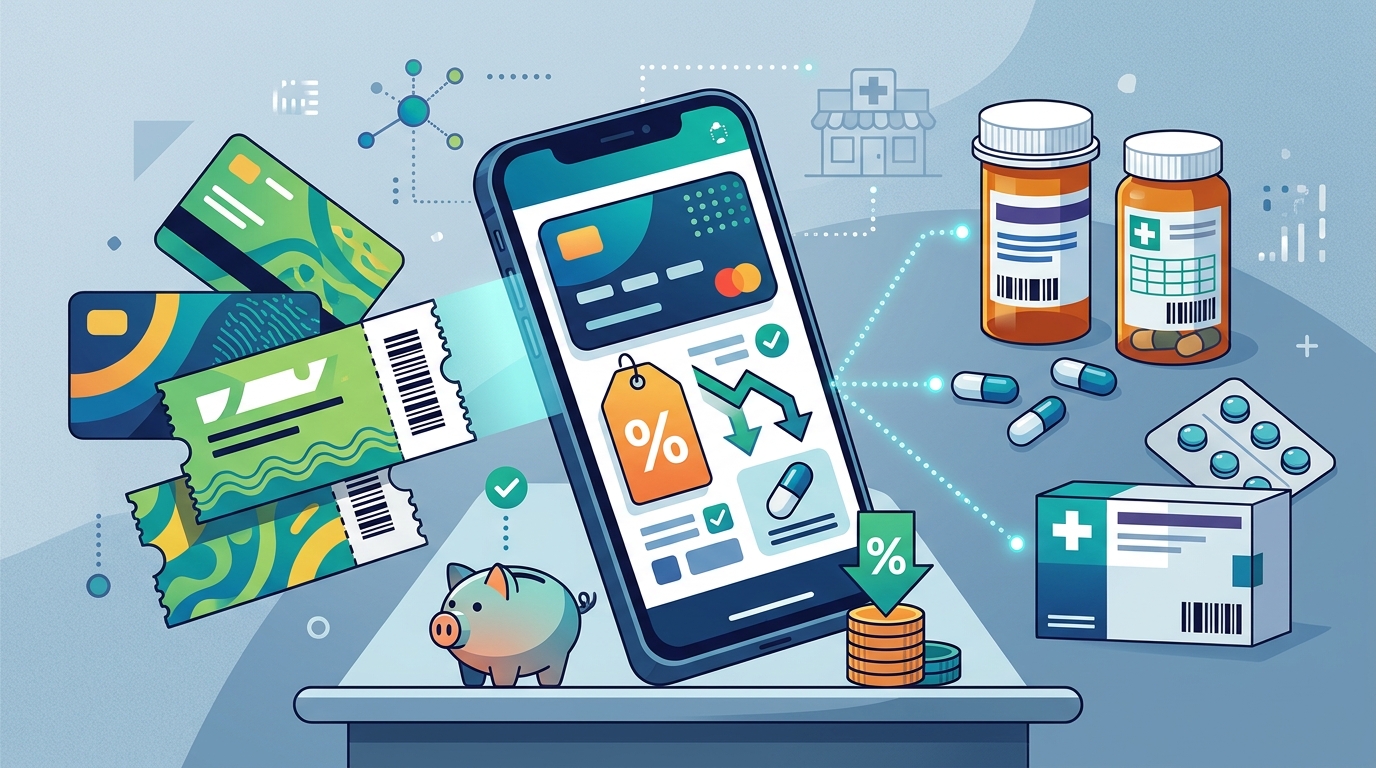
Prescription discount apps are digital wallets that store coupons from various pharmacy benefit managers. When you present the app at the counter, the pharmacy applies the lowest available price between your insurance copay and the app's negotiated rate. This mechanism is particularly useful for medications that fall into the "donut hole" of your insurance coverage or for drugs that are not on your formulary at all.
The primary benefit is price transparency. Many consumers do not know the cash price of their medication until they are standing at the pharmacy counter. These apps provide that information in real-time. However, using a discount app can sometimes affect your insurance deductible. If you pay cash for a drug that is actually covered by your plan, that payment might not count toward your annual deductible. This is a critical distinction that many users miss.
Checking your health plan details directly with your insurer helps clarify what your insurance covers versus what a discount card might offer, preventing accidental deductible inflation.
Top Apps for Maximizing Savings
Several apps dominate the market, each with different strengths. GoodRx is one of the most widely recognized, offering a large network of pharmacies and a simple interface for price comparison. It is particularly effective for common, non-controlled medications. SingleCare is another major player, often providing competitive rates for a wide range of drugs and allowing users to print coupons for use at any participating pharmacy.
For those with specific insurance plans, apps like WellRx or RxSaver may offer better rates depending on your region and pharmacy chain. The "best" app is not universal; it depends on your specific medication, your pharmacy location, and your insurance plan. It is often wise to download two or three apps to compare prices for the same drug, as rates fluctuate based on the pharmacy's contract with the discount card provider.
While these apps save money on the transaction, they do not provide clinical context. They do not tell you if a cheaper generic is appropriate for your condition or if a different medication might be more effective. This is where discussing options with your doctor or pharmacist adds value, helping you understand the medical implications of your choices before you focus solely on the price tag.
Insurance Copays vs. Discount Cards: The Critical Choice
This integration of financial and clinical data is a significant advantage. It allows you to make an informed decision that balances cost with medical appropriateness. You are not just looking for the cheapest price; you are looking for the most efficient use of your healthcare resources.
Integrating Health Navigation with Cost Savings
Prescription management is not just about price; it is about adherence and health outcomes. If a medication is too expensive, you may skip doses, leading to worse health results and higher long-term costs. A holistic approach to prescription management considers both the immediate cost and the long-term health impact.
Sharecare provides digital health tools designed to help you manage your overall wellbeing and understand your health status. Connecting your health discussions with your care team ensures that when you use a discount app, you are doing so with full awareness of how that medication fits into your overall health strategy.
The goal is to reduce the cognitive load of managing your health. You should not have to be an expert in pharmacy benefit management to save money. Navigating healthcare information effectively allows you to focus on the simple task of choosing the best price at the counter.
Key Takeaways
- Prescription discount apps negotiate cash prices that can be lower than insurance copays, but they do not always save money.
- Using a discount card for a covered drug may not count toward your insurance deductible, potentially costing you more in the long run.
- Always compare your insurance copay with the discount app price before paying at the pharmacy.
- Download multiple apps, such as GoodRx and SingleCare, to compare rates, as prices vary by pharmacy and location.
- Consult your healthcare provider or pharmacist to verify coverage and understand the clinical context of your medications.
- Reviewing your insurance benefits and health records helps you make informed financial and health decisions simultaneously.
Frequently Asked Questions
Do prescription discount apps work for all medications?
No, they do not work for all medications. Controlled substances, such as opioids and certain stimulants, are often excluded from discount card networks due to legal and safety regulations. Additionally, some specialty medications may not be available through standard discount apps. It is important to check the specific drug in the app before assuming it will provide a discount.
Will using a discount app affect my insurance deductible?
It depends on your specific insurance plan. Many plans do not count cash payments made through discount cards toward your annual deductible. If you pay cash for a drug that is covered by your plan, you may be paying twice: once for the cash price and again for the deductible. Always check your plan's rules to understand how your coverage works.
How can I check my insurance coverage before using a discount app?
You can check your coverage by reviewing your insurance formulary online or calling the member services number on the back of your insurance card. Your insurer can tell you what is covered and what your copay is. This allows you to compare the insurance price with discount app prices accurately. By understanding your coverage, you can avoid paying more than necessary and ensure that your payments count toward your deductible when appropriate.
Is it safe to use multiple discount apps?
Yes, it is safe and often recommended to use multiple discount apps. Different apps have different pharmacy networks and negotiated rates. By comparing prices across two or three apps, you can ensure you are getting the lowest possible cash price for your medication. There is no penalty for having multiple apps on your phone.
Can I use a discount app if I have Medicare?
Generally, no. Medicare Part D plans have specific rules about using discount cards. Using a discount card for a drug covered by your Medicare plan may not count toward your out-of-pocket maximum, which could delay your entry into the coverage phase. It is crucial to consult with your Medicare plan or use a navigation tool to understand how discount cards interact with your specific Medicare benefits.
Conclusion
Prescription discount apps are powerful tools for saving money, but they require careful use to avoid unintended costs. By understanding how they work and staying informed about your coverage, you can maximize your savings while maintaining optimal health outcomes. Sharecare offers digital health resources to help you stay engaged in your care journey, ensuring that your financial strategy aligns with your health goals. Learn more: Contact Sharecare Sales support.